Cost & access
Does insurance cover GLP-1s for weight loss?
October 2, 2026 · 7 min read · Medically reviewed by Bryan Milton, MD · Reviewed October 2, 2026
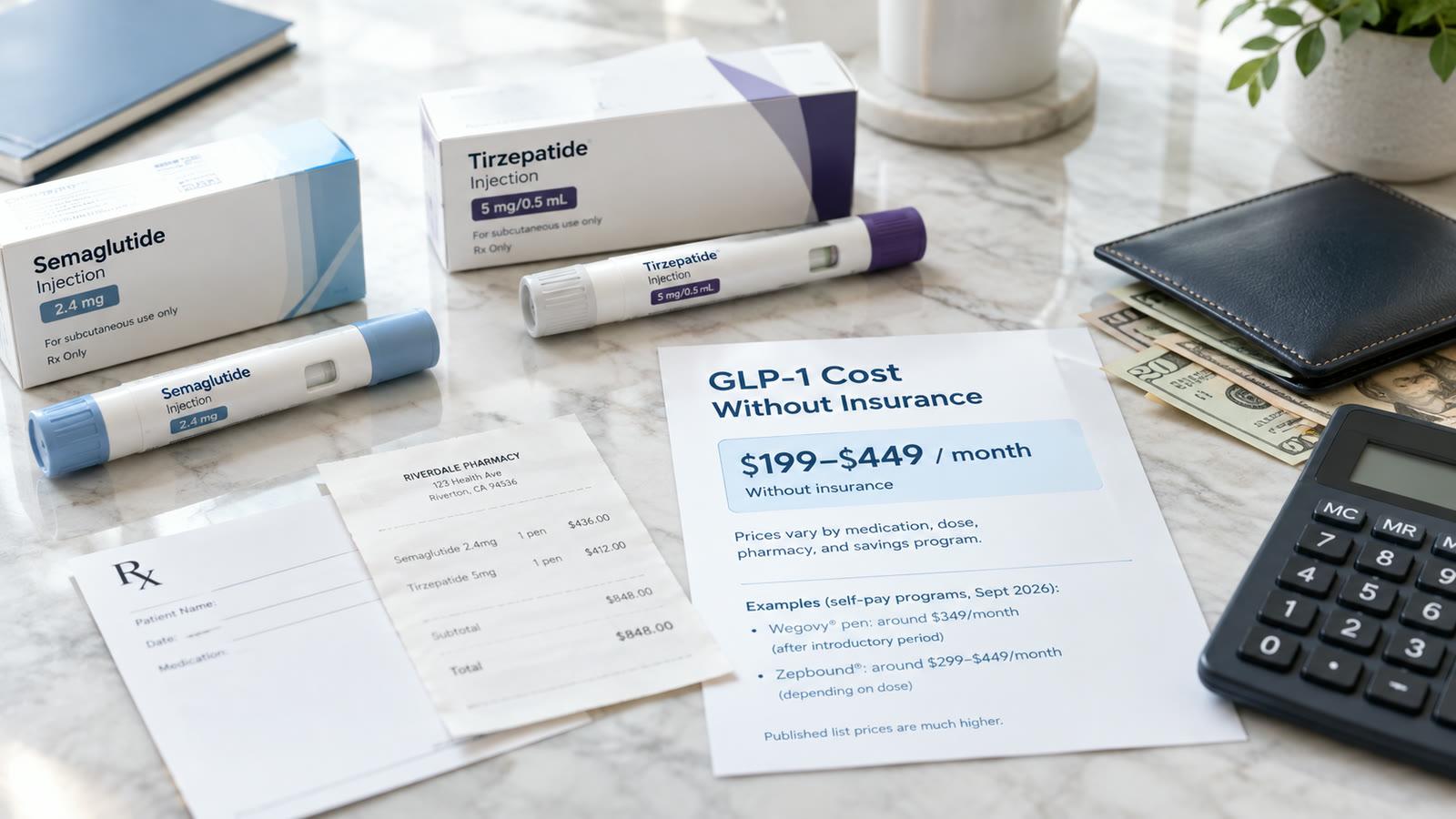
Coverage for weight management is inconsistent and changes often. How to find out what your own plan does, and why compounded preparations sit outside it.
There is no general answer to this, and any article that gives you one is guessing about your plan. What is useful is understanding why coverage is inconsistent, and knowing exactly what to ask so you get a real answer in one phone call.
Why coverage is inconsistent
Because these medications are approved for different things, and plans treat those differently. Coverage for type 2 diabetes is relatively common; coverage for chronic weight management is much less so, and many employer plans exclude weight-management medication as a category. Some plans cover it with conditions; some cover it only through a specific program; some exclude it outright. The same molecule, the same person, a different employer — different answer.
Policy here has also moved repeatedly at both the plan and the government level, which is why a figure or a rule from an article written months ago is unreliable.
How to find out what your plan does
- Find your plan's formulary — the list of covered drugs and their tiers. It is usually on the insurer's website behind your login, or available on request.
- Look for the specific product by name, and note which tier it is on and whether there are conditions attached.
- Check whether weight-management medication is excluded as a category, which is often stated separately from the formulary.
- Call the number on your card and ask the specific questions below. Ask for a reference number for the call.
- Ask your prescriber's office what they have seen with your insurer — they often know the pattern.
| Question | Why it matters |
|---|---|
| Is this medication on my formulary, and at what tier? | Tier determines your share of the cost |
| Is it covered for weight management, or only for diabetes? | This is the distinction that decides most cases |
| Is prior authorization required? | If so, your prescriber has to submit it |
| What criteria apply? | BMI thresholds, documented attempts, or a required program are common |
| Is step therapy required? | You may have to try another medication first |
| What is my copay or coinsurance? | The actual number you will pay |
| Does my deductible apply first? | Changes the cost early in the plan year |
| Are compounded preparations covered? | Usually not — worth confirming |
Prior authorization and denials
Prior authorization means your insurer wants documentation before covering it, and it is common for weight-management medication. Your prescriber submits it. If it is denied, there is normally an appeals process, and denials are sometimes overturned with additional documentation — the denial letter must state the reason and the appeal route, so read it rather than treating it as final.
Why compounded preparations are generally not covered
Because insurance coverage is built around FDA-approved products. Compounded medications are not FDA-approved and are not reviewed by the FDA for safety, effectiveness, or quality. That is the main reason compounded GLP-1 care is cash-pay almost everywhere, including at GLP: no insurance, no claims, no paperwork. It also means the comparison is not 'covered versus not covered' but 'my share of a covered brand-name product versus a cash price' — and which is lower depends entirely on your plan.
If you have coverage, use it
Worth saying plainly: if your plan covers an approved product for your situation, that is usually the better route, and it is the one with FDA review of the finished product behind it. Cash-pay compounded care exists largely for people who do not have that option. A service that discourages you from checking your coverage is not acting in your interest.
GLP's clinicians do not prescribe brand-name products, so GLP is not that route.
HSA and FSA
Separate from coverage and often available regardless: funds in a health savings or flexible spending account can frequently be used for prescribed medication and telehealth visits. GLP accepts FSA and HSA cards. Eligibility depends on your plan and current tax rules, so confirm with your plan administrator.
This article is educational and is not a substitute for personalized medical advice. Whether any medication is appropriate for you is a decision for a licensed clinician who has reviewed your health history.