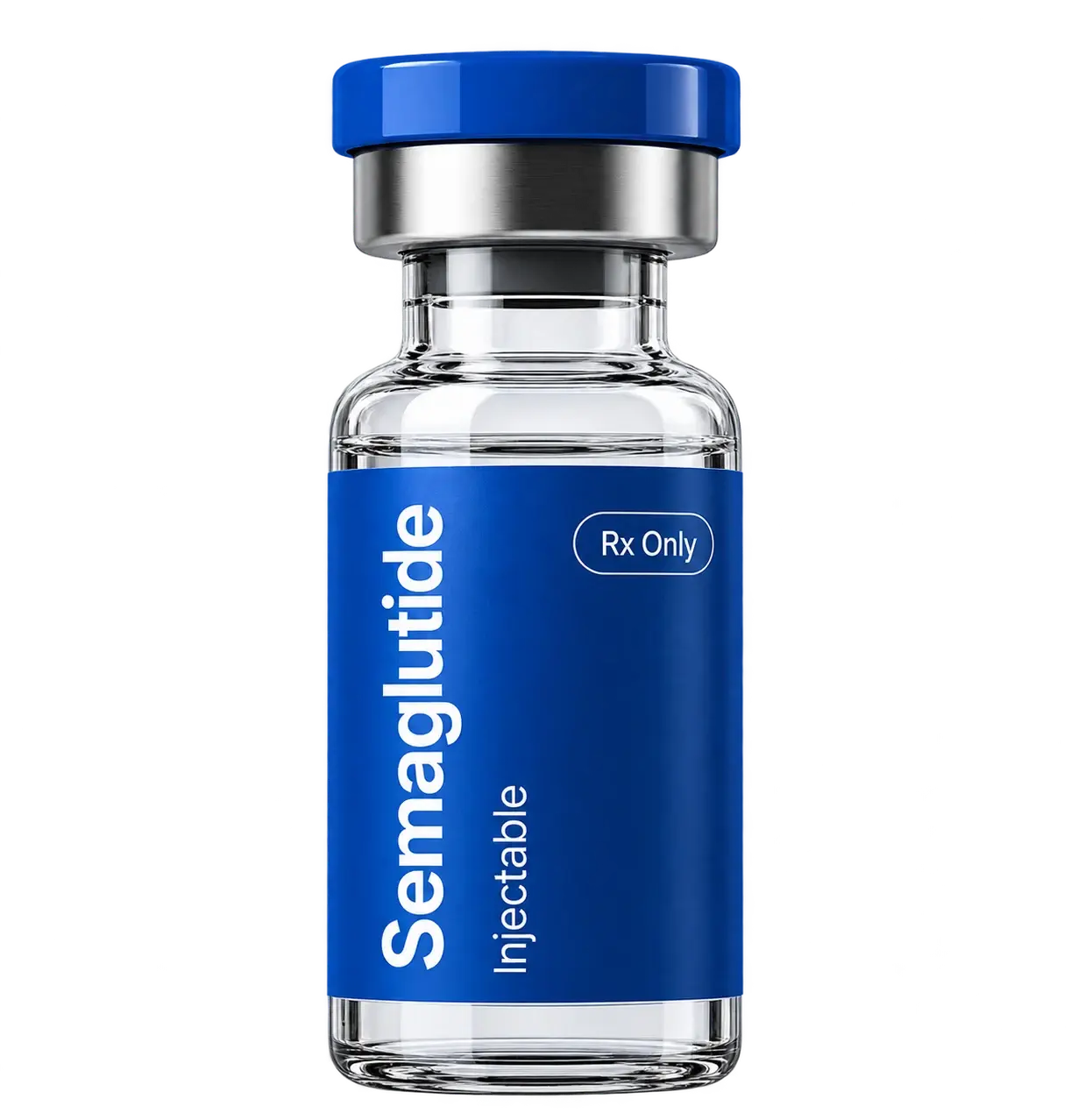
Compounded option
Semaglutide Microdose Injection
Compounded semaglutide at a lower dose, once-weekly injection.
One simple injection per week.
$179 / 4 weeks
Billed every 4 weeks. Confirmed before you pay.
GLP-1 microdosing
Compounded GLP-1 medication at a lower dose, with clinical support — prescribed online only when a licensed clinician decides it's appropriate, and delivered to your door.
Get started— from $179
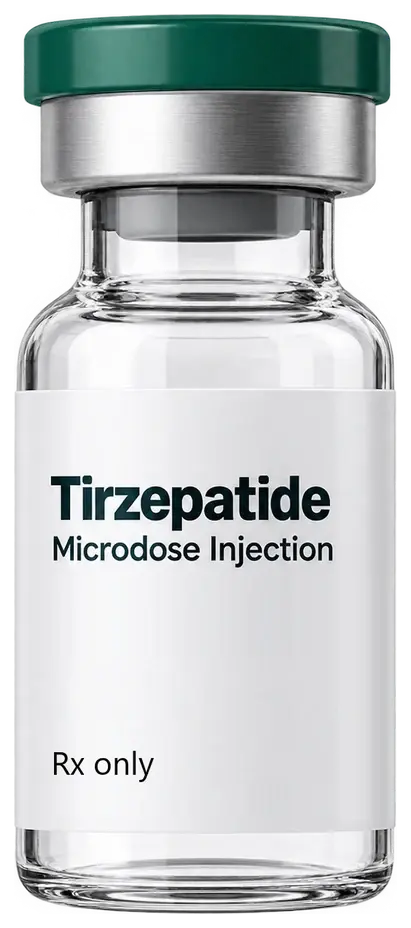
What a clinician may prescribe, if it's right for you.
Compounded semaglutide at a lower dose, once-weekly injection.
One simple injection per week.
$179 / 4 weeks
Billed every 4 weeks. Confirmed before you pay.
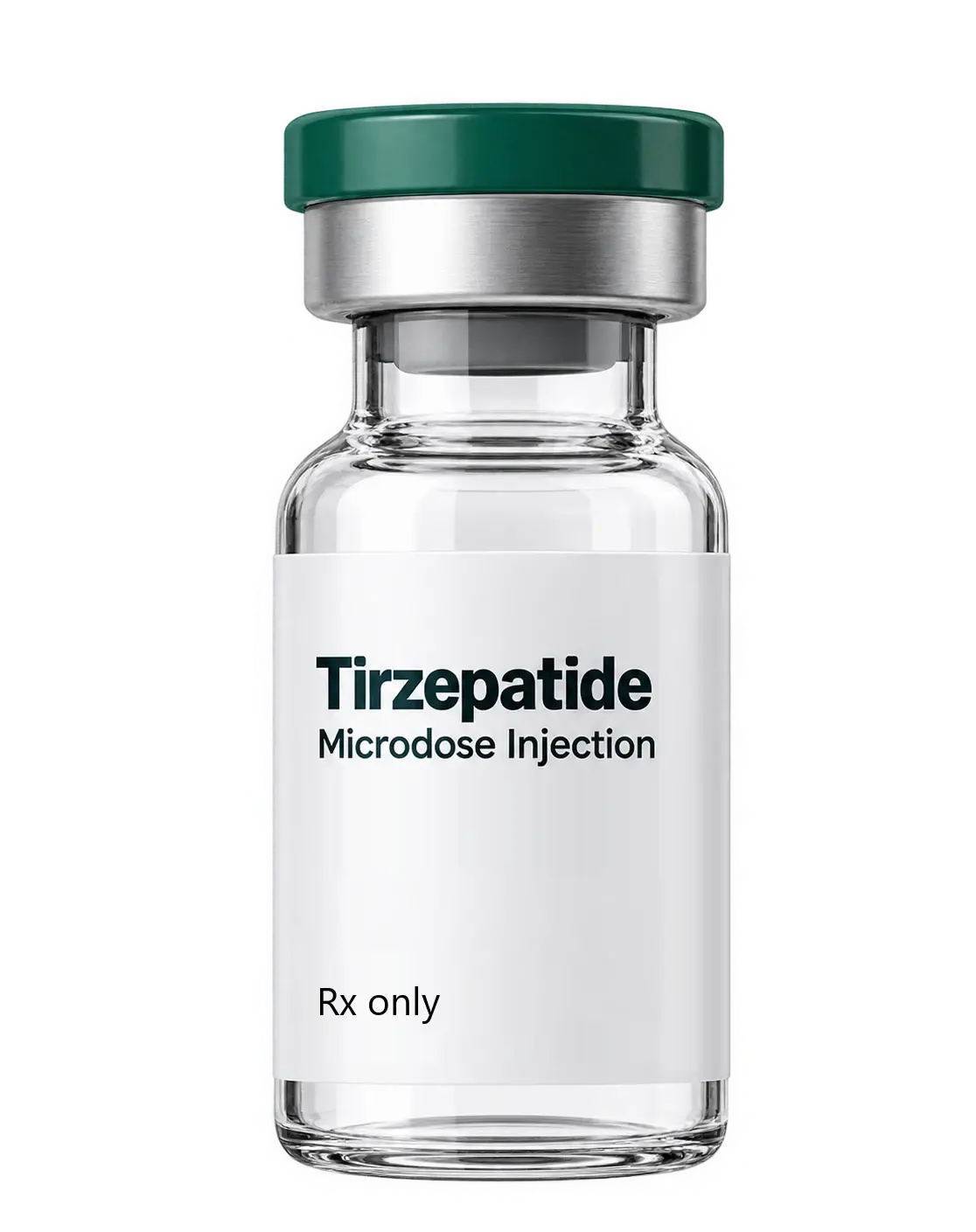
Compounded tirzepatide at a lower dose, once-weekly injection.
One simple injection per week.
$179 / 4 weeks
Billed every 4 weeks. Confirmed before you pay.
You don't choose your medication — a licensed clinician recommends one after reviewing your assessment, or tells you if treatment isn't appropriate.
Prices shown are per 4 weeks and are confirmed before you pay. Availability, pricing, and treatment options vary by state. GLP does not manufacture compounded medications; actual product appearance and labeling may differ from website images. This page is general information, not medical advice.
GLP-1 microdosing means taking a GLP-1 medication such as semaglutide or tirzepatide at a lower dose than standard dosing. It is not an FDA-approved regimen. At GLP, a licensed clinician decides whether a lower-dose program is appropriate for you, sets the dose, and adjusts it over time. Compounded medication (not FDA-approved), $179 per 4 weeks.
In a standard GLP-1 program, treatment starts at a low dose that a clinician increases over several weeks to a maintenance dose. "Microdosing" is the popular term for staying below that: using a smaller amount, holding at a low step for longer, or spacing doses out, rather than stepping up to a standard maintenance dose.
The word comes from social media and everyday use, not from the medical literature, and people mean different things by it. What the term has in common everywhere is a dose lower than a standard maintenance dose. At GLP the amount is never something you choose: a licensed clinician sets it, and adjusts it, based on your assessment and how you respond.
Two reasons come up most often. Tolerability: the side effects people report most, which are gastrointestinal, tend to cluster in the early weeks and after dose increases, so some people ask whether a smaller dose would be easier to live with. Preference: some people want the most gradual approach available, or are asking about continuing at a lower dose after a standard program.
Whether any of those reasons applies to you is a clinical question. A lower dose is still a prescription medication with the same warnings, and "lower" does not mean "none" when it comes to side effects.
No. Lower-than-standard dosing of a GLP-1 medication for weight management is not an FDA-approved regimen, and it has no established evidence base of its own. That is the honest state of the science, and it is what hospital systems and pharmacists say when they are asked.
The medications used for it at GLP are compounded. Compounded medications are not FDA-approved and are not reviewed by the FDA for safety, effectiveness, or quality. A licensed clinician can still decide that a lower dose is the appropriate choice for a particular person, for example to manage tolerability, but you should hear it described as what it is: a lower dose without an established evidence base, prescribed with clinical oversight.
You start with a free 2-minute assessment: your goals, health history and current medications. A licensed clinician reviews it and decides whether a lower-dose program is appropriate, whether a standard program fits better, or whether treatment is not indicated. Completing the assessment is not a guarantee of a prescription.
If a microdose program is prescribed, the medication is compounded semaglutide or compounded tirzepatide, taken as a once-weekly injection at a dose your clinician sets. It is dispensed by an independent, licensed U.S. pharmacy and shipped free in plain packaging. Check-ins and dose guidance are part of the program: your clinician can hold, lower or step up the dose over time, and you can message your care team whenever something changes.
The side effects reported most often with semaglutide and tirzepatide are gastrointestinal: nausea, vomiting, diarrhea, constipation, stomach discomfort and reduced appetite. They tend to appear early in treatment and after a dose increase. A lower dose may or may not change how you experience them; side effects can occur at any dose, and a smaller amount is not a guarantee of fewer.
GLP-1 medications can also cause serious side effects that do not depend on the dose, including possible thyroid C-cell tumors, pancreatitis, gallbladder disease, low blood sugar when combined with certain diabetes medications, kidney problems with dehydration, and certain eye complications of diabetes. Your clinician screens for these before prescribing. Message your care team about any symptom that concerns you; for a medical emergency, call 911.
The contraindications for GLP-1 medications apply at every dose: a personal or family history of medullary thyroid carcinoma or Multiple Endocrine Neoplasia syndrome type 2, and a prior serious allergic reaction to the medication. Pregnancy, planning a pregnancy and breastfeeding rule treatment out. A history of pancreatitis or gallbladder disease, significant gastrointestinal conditions, type 1 diabetes, and medications that affect blood sugar all call for clinical judgment rather than an automatic answer.
Microdosing is also not a way to treat a diagnosed condition on your own terms. Someone who needs standard treatment for type 2 diabetes, for example, should be having that conversation with the clinician who manages it. And it is not for anyone hoping to skip the assessment: the screening is the point.
Both microdose injections are $179 per 4 weeks, billed every 4 weeks and confirmed before you pay. Check-ins and dose guidance are included, and shipping is free and tracked. Exactly what the price does and does not cover is shown before you pay. GLP is cash-pay: no insurance, no claims, no paperwork. There are no contracts; you can cancel with 72 hours' notice before your next billing date.
Availability, pricing and treatment options vary by state.
This page is general information, not medical advice. Whether any medication is appropriate for you is a decision for a licensed clinician who has reviewed your health history. Availability, pricing, and treatment options vary by state.
Free to start
2 min · No obligation