Treatment
What a care team actually does between refills
September 8, 2026 · 5 min read
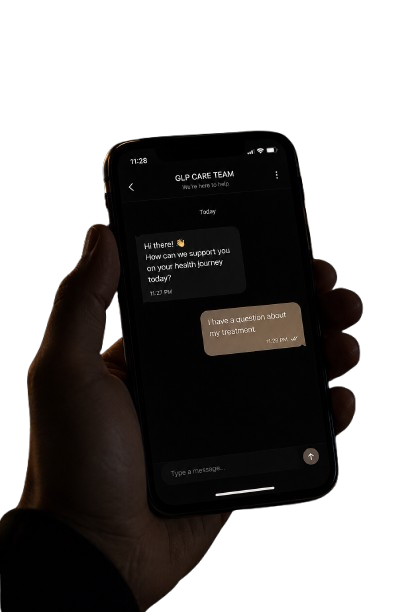
A prescription is a moment; treatment is months. What ongoing clinical support looks like, and what to message about.
It is easy to picture online care as a single transaction: assessment, prescription, package. But the prescription is a moment, and treatment runs for months. Most of the value of a care team sits in the stretch between refills.
Dose pacing is the clearest example. GLP-1 treatment follows an escalation schedule, and whether to step up on time, hold at the current dose, or slow down is a clinical decision that depends on how you are actually tolerating treatment. Your check-in answers and messages are the evidence that decision is made on.
Side effects are the second. Most of what people experience early in treatment is manageable with practical adjustments — but only if someone knowledgeable hears about it. A message that says exactly what you are feeling gets a better answer than a search engine, because the person reading it knows your history, your dose, and your schedule.
Then there is everything administrative that clinical care drags with it: refills, pharmacy questions, what to do about a missed dose, travel with medication. These are ordinary questions with specific answers, and asking them is what the message thread is for.
The habit worth building is simple: when in doubt, message. Care teams would rather hear something unimportant than miss something that mattered. And your team will tell you which symptoms should skip the message queue entirely — for a medical emergency, call 911.
This article is educational and is not a substitute for personalized medical advice. Whether any medication is appropriate for you is a decision for a licensed clinician who has reviewed your health history.