Compounded medication
What is added to compounded semaglutide, and why
October 2, 2026 · 6 min read · Medically reviewed by Bryan Milton, MD · Reviewed October 2, 2026
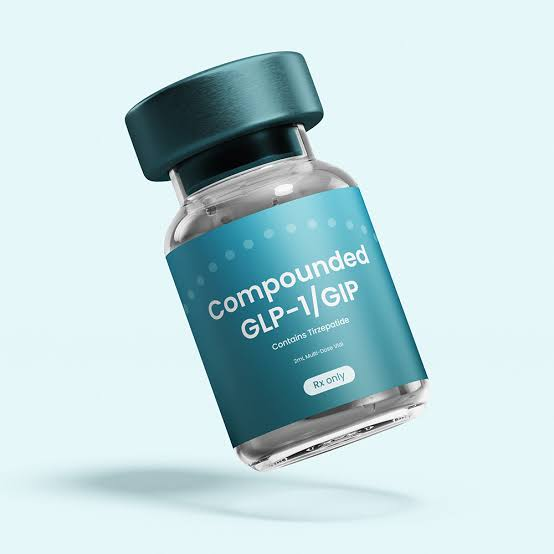
Compounded GLP-1s are sometimes prepared with B12, glycine or other additions. What they are for, what the evidence says, and what to ask your pharmacy.
Compounded GLP-1 preparations are not always just the active ingredient in water. Some are prepared with vitamin B12 (cyanocobalamin), some with amino acids such as glycine, and all contain the ordinary components that make an injectable solution work. It is worth understanding which is which, because the marketing around additions is often ahead of the evidence.
What is normally in an injectable preparation?
Any injectable solution contains more than its active ingredient. There will typically be water for injection, something to buffer the pH so the solution is stable and tolerable, possibly a tonicity agent, and in a multi-dose vial a preservative so the contents stay sterile across repeated withdrawals. None of that is unusual or a cause for concern; it is what makes a vial a medicine rather than a powder.
Why would B12 be added?
Two reasons are usually given. The first is practical and specific to compounding: the characteristic red colour of cyanocobalamin makes a preparation visually distinguishable, which has some value in a pharmacy. The second is the claim that B12 helps with the nausea or fatigue associated with GLP-1 treatment, or supports energy levels.
That second claim is where to be careful. B12 is genuinely essential, and correcting a true deficiency matters. But adding B12 to an injection for someone who is not deficient is not an established treatment for GLP-1 side effects, and the published evidence for it in that role is thin. If a service presents B12 as the reason its preparation is better, treat that as marketing until someone shows you the study.
What about glycine or other amino acids?
Glycine appears in some compounded preparations, generally for formulation reasons — amino acids are used in pharmaceutical solutions as buffers and stabilisers. Where it is marketed as an active benefit, the same test applies: ask what the claim is and what supports it. A compounded preparation does not become more effective because the ingredient list is longer.
| Component | What it is usually there for |
|---|---|
| Semaglutide or tirzepatide | The active ingredient |
| Water for injection | The solvent |
| Buffering agents | Keeping pH stable, which affects stability and comfort |
| Preservative | Maintaining sterility in a multi-dose vial |
| Cyanocobalamin (B12) | Formulation and visual identification; claimed tolerability benefits are not established |
| Glycine or similar | Usually formulation chemistry rather than an added effect |
Does an addition carry risk?
Anything in an injection is something you are being given, so the questions are the ordinary ones: do you have an allergy or sensitivity to it, does it interact with anything you take, and does it change how the preparation should be stored or how long it lasts. Those are questions for a pharmacist and for the clinician who knows your history — which is a good reason to tell them what you have been sent rather than assume additions are inert.
What should I ask?
- What exactly is in this preparation, including inactive ingredients?
- Why is each addition there — formulation, or a claimed effect?
- If an effect is claimed, what supports it?
- Does anything in it interact with my other medications or allergies?
- Does it change the storage instructions or the beyond-use date?
Compounded medications are not FDA-approved and are not reviewed by the FDA for safety, effectiveness, or quality. GLP does not manufacture or compound any medication; prescriptions are dispensed by independent, licensed U.S. pharmacies, and your care team can confirm what your own preparation contains.
This article is educational and is not a substitute for personalized medical advice. Whether any medication is appropriate for you is a decision for a licensed clinician who has reviewed your health history.