Compounded medication
Is compounded semaglutide legal? How the rules work
October 2, 2026 · 8 min read · Medically reviewed by Bryan Milton, MD · Reviewed October 2, 2026
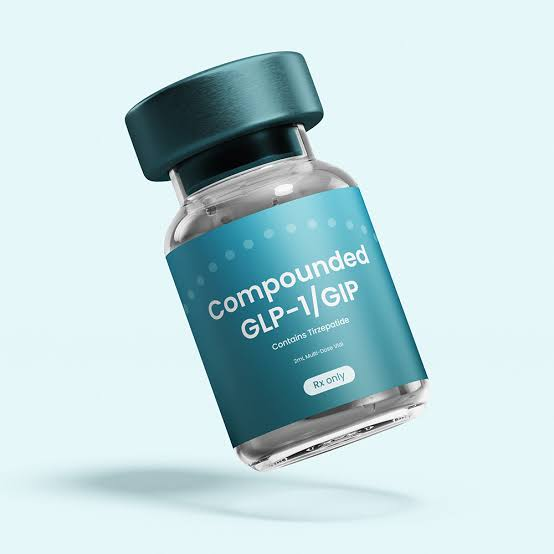
Compounding is a regulated practice, but what may be compounded changes with FDA determinations. Here is the framework, and how to check where things stand now.
The short answer is that compounding is a lawful, regulated practice — and that whether a specific compounded GLP-1 preparation may be made at a given moment is a narrower question whose answer has changed over time. Anyone giving you a flat yes or no without saying which question they are answering is simplifying something that matters.
What is compounding, legally speaking?
Compounding is the preparation of a medication by a licensed pharmacy for an individual patient on a clinician's prescription. It exists because approved products do not fit everyone: a patient may need a different form, a different strength, or a preparation without a particular ingredient. Two sections of federal law govern it, and the distinction between them matters more than most articles let on.
| 503A pharmacy | 503B outsourcing facility | |
|---|---|---|
| Prepares for | A specific patient, on a prescription | Bulk supply, typically to healthcare facilities |
| Primary oversight | State board of pharmacy | Registered with and inspected by the FDA |
| Manufacturing standard | USP compounding standards | Current Good Manufacturing Practice (cGMP) |
| FDA-approved product? | No | No |
| Patient-specific prescription needed? | Yes | Not necessarily |
Neither produces an FDA-approved medication. Compounded medications are not FDA-approved and are not reviewed by the FDA for safety, effectiveness, or quality.
What restricts compounding a GLP-1 specifically?
Federal law restricts compounding a drug that is essentially a copy of a commercially available approved product. There are exceptions, and the most consequential one in this area has been drug shortage: when the FDA lists a drug as in shortage, compounding it is treated differently than when the shortage is resolved.
That is why the position on compounded semaglutide and tirzepatide has shifted. Shortage determinations have been made, resolved, and litigated; enforcement positions and transition periods have followed them. The practical consequence for a reader is this: a statement like 'compounded semaglutide is legal' is only ever true as of a date, and the date is doing most of the work.
So how do I check where things stand?
- The FDA's drug shortage database shows the current shortage status for a drug — the input most of the rest depends on.
- The FDA's human drug compounding pages set out the framework and carry its current statements for patients and prescribers.
- Your state board of pharmacy licenses the pharmacy and can confirm it is in good standing.
- The prescribing clinician and the dispensing pharmacy are the two parties who have to be satisfied the prescription is lawful; it is fair to ask them directly what they are relying on.
What does this mean for a patient?
Mostly it means the questions worth asking are not legal-theory questions. They are: who is prescribing, are they licensed in my state, which pharmacy is dispensing, is that pharmacy licensed and in good standing, and does everyone involved tell me plainly that the medication is compounded. A service that can answer those is operating in the open; one that cannot is not made safe by a legal argument.
It also means being wary of the two places this goes wrong. One is a seller who implies a compounded preparation is a generic, or approved, or interchangeable with a brand product — none of which is true. The other is a seller skipping the prescription entirely, which is not compounding at all; that is covered in the article on research-use peptides.
How does GLP handle this?
GLP does not manufacture or compound any medication. A licensed clinician reviews your assessment and decides whether treatment is appropriate; if a program is prescribed, it is dispensed by independent, licensed U.S. pharmacies named in the Terms of Service, and which one fills your order depends on your treatment and your state. The compounded-medication disclosure appears wherever a compounded product is named, because you should not have to go looking for it. Compounded medications are not FDA-approved and are not reviewed by the FDA for safety, effectiveness, or quality.
This article is educational and is not a substitute for personalized medical advice. Whether any medication is appropriate for you is a decision for a licensed clinician who has reviewed your health history.