GLP-1 medications
Is GLP-1 a peptide? GLP-1s vs 'peptide therapy'
October 6, 2026 · 6 min read · Medically reviewed by Bryan Milton, MD · Reviewed October 6, 2026
Yes: GLP-1 is a peptide hormone, and most GLP-1 medications are peptides. How they differ from the 'peptides' sold online and at wellness clinics.
Short answer: yes. 'Glucagon-like peptide-1' is the full name, and the word peptide is literal. The longer answer is worth having, because 'peptides' has become a marketing category of its own, and products sold under that word range from FDA-approved prescription medications to vials labelled not for human use.
What is a peptide?
A peptide is a short chain of amino acids, the same building blocks that make up proteins. Proteins are long chains; peptides are short ones. Many hormones are peptides, including insulin and GLP-1. GLP-1 is about 30 amino acids long. Your intestine releases it after a meal, and enzymes in the blood break it down within minutes.
Are GLP-1 medications peptides?
Most are. Each is an engineered version of a hormone, changed so that it survives far longer in the body than the original:
- Semaglutide is a GLP-1 analogue that shares most of its sequence with human GLP-1. Its label describes a modification that resists the enzyme which breaks the natural hormone down, and a fatty-acid chain that binds it to albumin in the blood, which is why one dose lasts a week.
- Tirzepatide is a peptide built on the sequence of a second gut hormone, GIP, and engineered to act on both the GIP and GLP-1 receptors, with a fatty-acid chain for the same weekly effect.
- Liraglutide is a GLP-1 analogue taken once a day.
- Dulaglutide joins a GLP-1 analogue to part of an antibody, which keeps it in the body for a week.
- Exenatide is a 39-amino-acid peptide first identified in a lizard, the Gila monster.
The exception is orforglipron, approved in 2026: a small molecule rather than a peptide, which is why it can be taken as an ordinary tablet with or without food.
Why are most GLP-1 medications injected?
Because they are peptides. Swallowed, a peptide meets the same digestive enzymes that break down the protein in food, and very little reaches the bloodstream intact. Injecting under the skin avoids the gut. The semaglutide tablet gets around the problem differently: it contains an absorption enhancer, salcaprozate sodium, which is why it must be taken on an empty stomach with a small amount of plain water, at least 30 minutes before eating or drinking anything else.
What is 'peptide therapy'?
Wellness clinics and websites increasingly sell 'peptide therapy': injections or creams of compounds such as BPC-157, AOD-9604, ipamorelin and fragments of thymosin beta-4, marketed for recovery, fat loss, ageing or energy. These are not GLP-1 medications, and none is an FDA-approved drug for those uses. The FDA has placed each of these four on its list of substances that may present significant safety risks when used in compounding.
Semaglutide and tirzepatide themselves are also sold online as 'research peptides': powders labelled 'for research use only'. That label means the product is not sold as a medicine. There is no prescription, no licensed pharmacy and no assurance of what is in the vial. Our article on research-use peptides explains the risks.
Is a compounded GLP-1 a 'peptide therapy'?
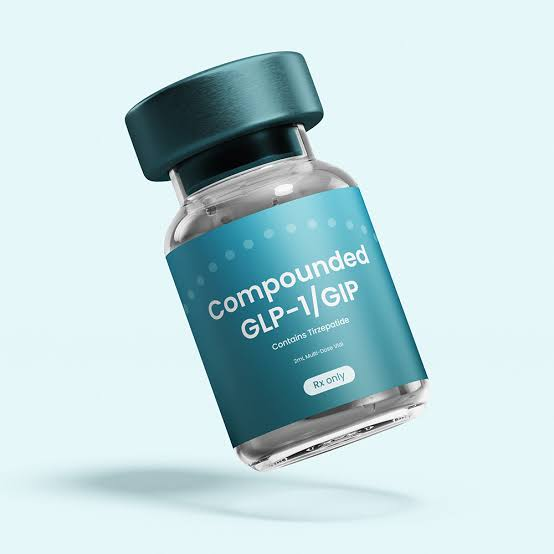
No. A compounded GLP-1 is a prescription medication, prepared by a licensed compounding pharmacy for an individual patient after a licensed clinician has reviewed their history, with a label stating what it contains and at what concentration. Compounded medications are not FDA-approved and are not reviewed by the FDA for safety, effectiveness, or quality. That is a real gap compared with an approved product, and a different category altogether from a vial sold as a research chemical.
Do GLP-1 peptides need special handling?
Yes. Peptides are fragile: heat, freezing and shaking can damage them. The labels for the injectable products say never to freeze them or use them after freezing, and to keep them refrigerated before first use. Follow the storage instructions on your own label or from your pharmacy; our storage guide covers the details.
This article is educational and is not a substitute for personalized medical advice. Whether any medication is appropriate for you is a decision for a licensed clinician who has reviewed your health history.
Frequently asked questions
Related
Sources
- NIH (PMC): Glucagon-like peptide 1 (GLP-1), a review
- FDA prescribing information: semaglutide injection (weight management)
- FDA prescribing information: tirzepatide injection (weight management)
- FDA prescribing information: oral semaglutide tablet
- FDA prescribing information: exenatide injection (type 2 diabetes)
- FDA prescribing information: orforglipron tablets (weight management)
- FDA: bulk drug substances that may present significant safety risks in compounding