Dosing & injections
How to store semaglutide and tirzepatide
October 2, 2026 · 6 min read · Medically reviewed by Bryan Milton, MD · Reviewed October 2, 2026
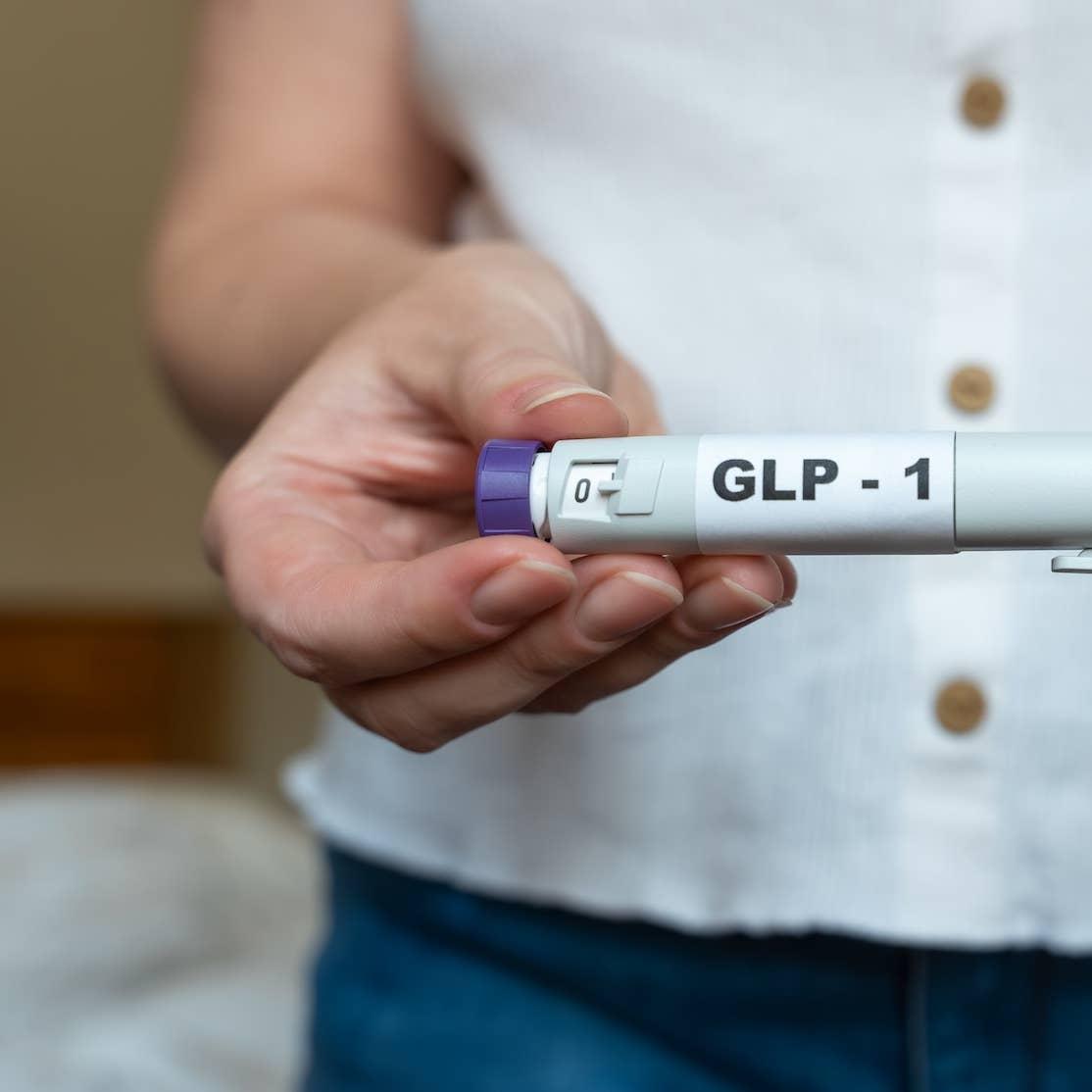
Refrigeration, room temperature, light and time: what the approved labels specify, and why a compounded vial's instructions can differ from a pen's.
Storage is one of the few things about a GLP-1 that is entirely within your control, and getting it wrong wastes medication you have paid for. The approved labels are specific, and a compounded preparation adds its own instructions on top.
Before first use
The approved injectable products are stored refrigerated within a stated temperature range, in their original packaging, protected from light, and not frozen. The original carton matters: it is the light protection. 'Not frozen' is not a soft recommendation — freezing can damage the protein, and a preparation that has frozen should not be used even once it thaws and looks normal.
After first use
The labels allow a defined period at room temperature once a pen or vial is in use, and that period is not the same across products — it depends on the formulation and on whether the container is multi-dose. Your own label states yours, along with the temperature range it means by room temperature.
| Item | Why it matters |
|---|---|
| Refrigerated temperature range | The range for unopened storage |
| In-use allowance | How long it may be kept out, and at what temperature |
| Beyond-use or expiry date | A compounded preparation's is typically shorter |
| Light protection | Whether it must stay in its carton |
| Discard conditions | Frozen, out of range, cloudy, or past the date |
Why a compounded vial can be different
A compounded preparation is made by a pharmacy for an individual patient, and its storage instructions and beyond-use date come from that pharmacy rather than from a manufacturer's approved label. The beyond-use date is usually shorter than a manufactured product's expiry, because it reflects how long that specific preparation has been assessed as stable. Compounded medications are not FDA-approved and are not reviewed by the FDA for safety, effectiveness, or quality. Follow what the pharmacy supplied, and ask them if anything is unclear.
Practical storage habits
- Keep it in the main body of the fridge, not the door, where temperature swings most, and not touching the back wall, where things freeze.
- Leave it in its carton until use, for light protection and because that is where the label is.
- Use a fridge thermometer if yours is old or you are not sure of it — the stated ranges are narrower than most people assume.
- Write the date of first use on the carton, so the in-use window is not a guess later.
- Never store it in a freezer compartment, a car, or a windowsill.
When should I throw one away?
If it has frozen. If it has been outside its stated range for longer than the label allows. If it is past its beyond-use or expiry date. If the solution is cloudy, discoloured or has particles in it, when it should be clear. If you are unsure, ask your care team or the pharmacy before using it — and do not inject something you are uncertain about to avoid wasting it.
Your own prescription label and the instructions that came with it are the authority on your medication. A compounded preparation can differ from an approved product in concentration, storage and beyond-use date, so where this article and your label disagree, the label wins — and your care team can settle anything unclear.
This article is educational and is not a substitute for personalized medical advice. Whether any medication is appropriate for you is a decision for a licensed clinician who has reviewed your health history.