Microdosing
Microdosing GLP-1 side effects: is a lower dose easier to tolerate?
October 2, 2026 · 6 min read · Medically reviewed by Bryan Milton, MD · Reviewed October 2, 2026
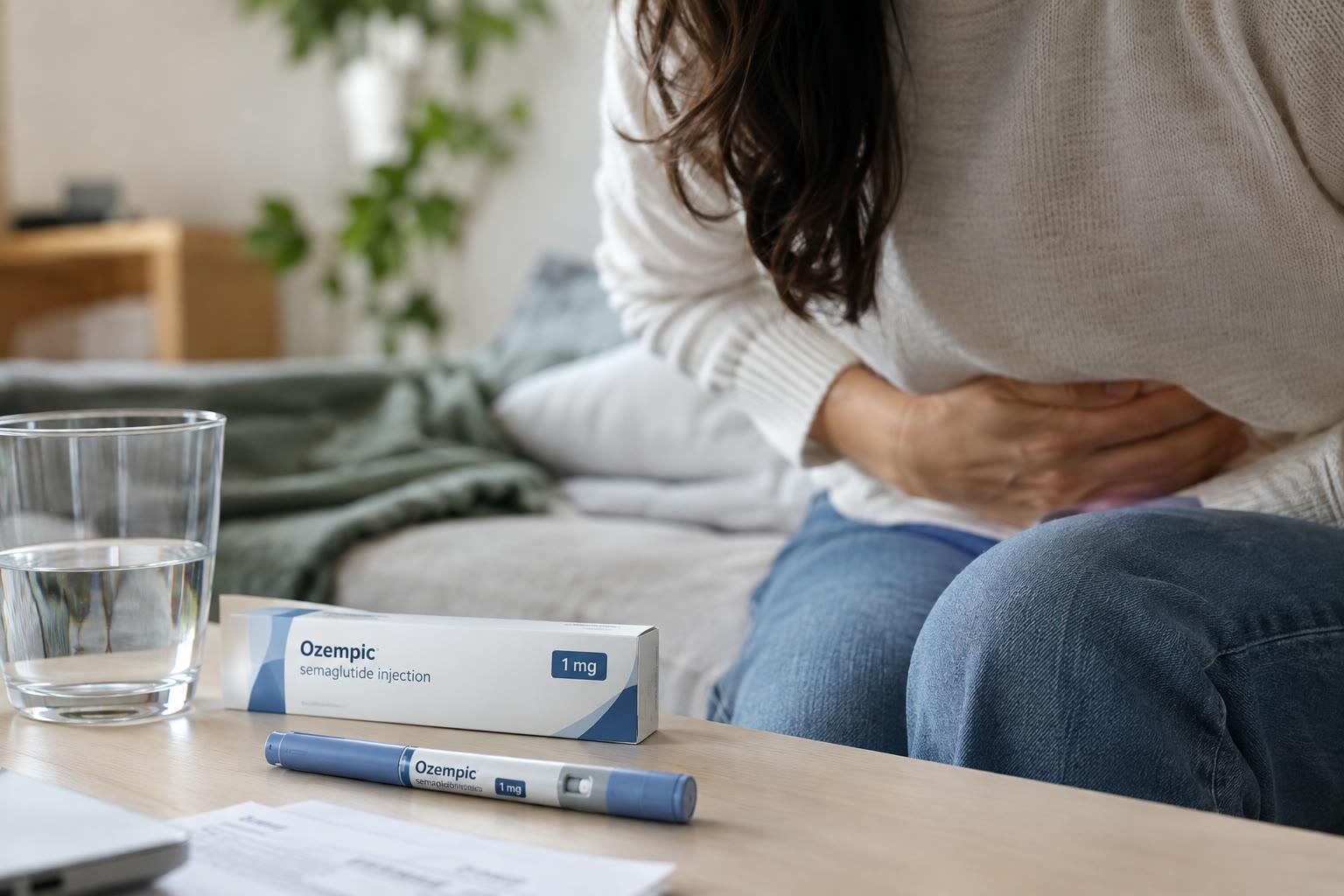
Side effects cluster around dose increases, so a dose that never rises skips that trigger. What a lower dose does not change: the labelled risks.
People considering a lower GLP-1 dose usually want to know one thing: will it be easier on my stomach? Often, yes — and for a reason worth understanding, because it also shows what a lower dose does not protect you from.
Why do GLP-1 side effects cluster around dose increases?
The side effects reported most often on the approved semaglutide and tirzepatide labels are gastrointestinal: nausea, vomiting, diarrhea, constipation, abdominal pain, indigestion and reduced appetite. These medications slow how quickly the stomach empties and act on appetite signalling, and the body adjusts to each dose over weeks. That is why the labels start everyone low and hold each step for about four weeks, and why prescribers are told they can hold a step or slow the pace when one is not being tolerated.
A dose that never steps up never produces a step-up. That is the honest mechanism behind the common experience that a microdose is gentler — not that the drug becomes safer, but that one specific trigger is absent.
What does a lower dose not change?
- The boxed warning about thyroid C-cell tumors seen in animal studies, and the contraindications tied to it: a personal or family history of medullary thyroid carcinoma, or Multiple Endocrine Neoplasia syndrome type 2.
- The cautions around pancreatitis, gallbladder disease, low blood sugar in combination with insulin or sulfonylureas, kidney problems linked to dehydration, and complications of diabetic retinopathy.
- The advice to tell anyone sedating you for a procedure that you take a GLP-1, because of the aspiration risk during anesthesia.
- For tirzepatide, the label's note that it can reduce how well oral contraceptives are absorbed around the start of treatment and after dose increases.
- Pregnancy, planning a pregnancy and breastfeeding, which rule treatment out at any dose.
None of those are dose-dependent in a way that lets you opt out of screening. A licensed clinician reviews your history before prescribing at any dose, and can say no.
What can still happen on a low dose?
Anything on the label can. Nausea, reflux, constipation, fatigue and injection-site reactions are all reported at low doses as well as high ones; people differ more than doses do. Side effects can also appear later rather than in the first weeks, so a quiet first month is not a guarantee.
What helps?
- Smaller portions, eaten slowly, stopping when full rather than when the plate is empty.
- Bland, lower-fat food on the days after an injection, and noticing which foods sit badly for you.
- Fluids across the day — vomiting and diarrhea dehydrate, which is one route to the kidney problems the labels warn about.
- Telling your care team early. Holding a dose is routine; so is adjusting one. Suffering through a symptom is not part of the plan.
When should I contact a clinician?
Promptly for severe or persistent abdominal pain (with or without vomiting, sometimes felt in the back), signs of gallbladder trouble such as pain in the upper right abdomen or yellowing skin, vomiting that will not stop, signs of dehydration, vision changes, a fast heartbeat, or a lump or hoarseness in the neck. For swelling of the face or throat, trouble breathing, or any medical emergency, call 911. For anything else that concerns you, message your care team — adjusting a plan is routine.
This article is educational and is not a substitute for personalized medical advice. Whether any medication is appropriate for you is a decision for a licensed clinician who has reviewed your health history.