Side effects
Semaglutide nausea: how long it lasts and what helps
October 2, 2026 · 7 min read · Medically reviewed by Bryan Milton, MD · Reviewed October 2, 2026
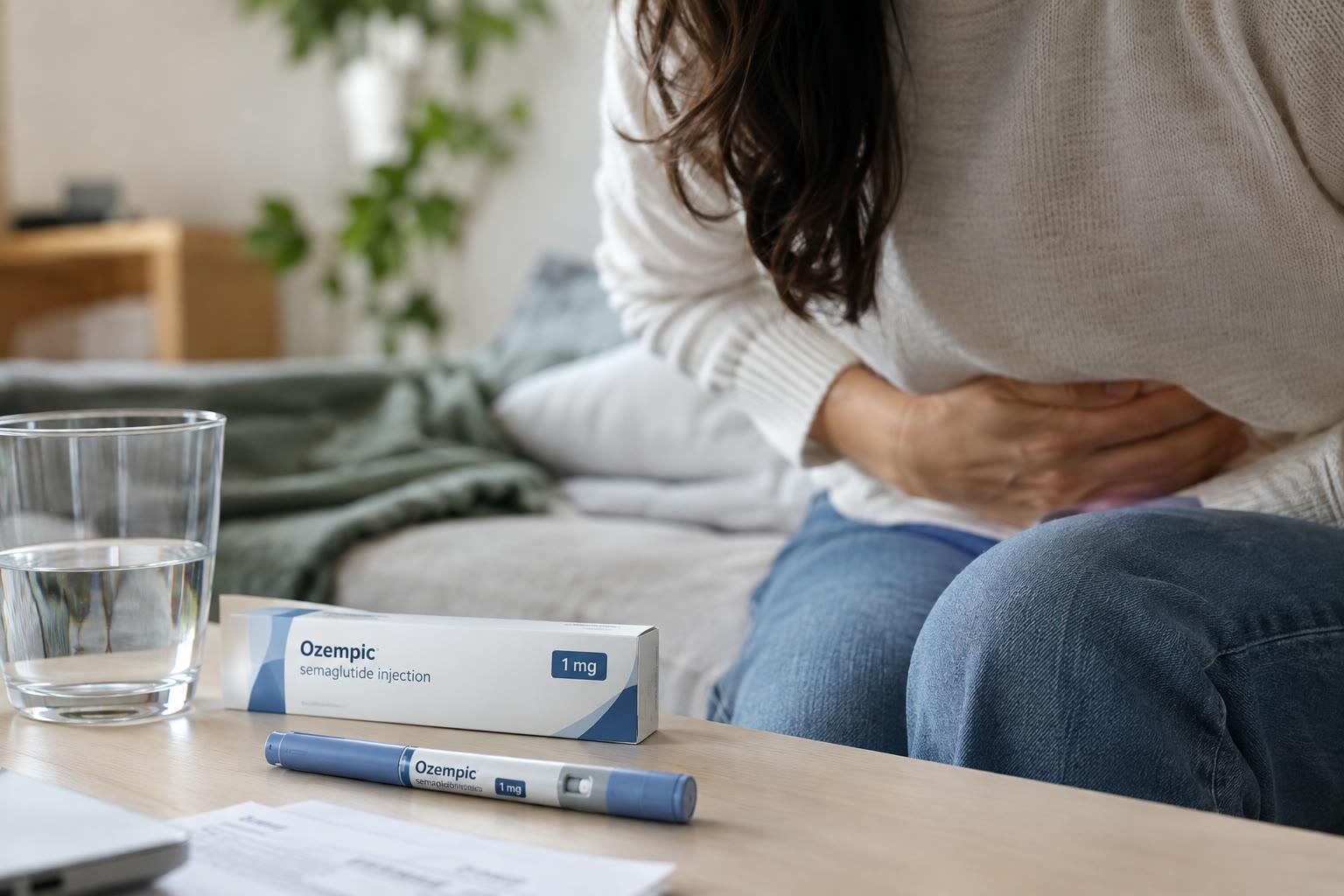
Nausea is the most commonly reported GLP-1 side effect. Why it clusters early and after dose increases, what reliably helps, and when it stops being normal.
Nausea is the side effect people ask about most, and for good reason: it is the one listed first on the approved semaglutide labels and the one most likely to show up in the first month. For most people it is mild, it is worst in the days after an injection, and it settles as the body adapts to a dose.
Why does semaglutide cause nausea?
These medications slow how quickly the stomach empties and act on appetite signalling, and the body adapts to each dose over weeks. That is why the approved labels start at a low dose, hold each step for about four weeks, and tell prescribers they can hold a step or slow the pace when one is not being tolerated.
Food staying in the stomach longer is most of the explanation. It is also why the things that help are mostly about volume and fat content rather than about toughing it out.
How long does the nausea last?
The pattern reported most often is a few days after each injection, easing as the week goes on, and easing overall as weeks pass on a stable dose. Each dose increase can restart it. Someone who settles on a dose and stays there generally finds it recedes; someone climbing a titration schedule meets it again at each step.
What is not typical: nausea that keeps getting worse, nausea with severe abdominal pain, or nausea severe enough that you cannot keep fluids down. Those are reasons to contact someone, not to wait another week.
What actually helps?
- Smaller portions, eaten slowly. This is the single most effective change, and it is also the hardest habit to shift.
- Stopping when you are full rather than when the plate is empty. On a GLP-1, fullness arrives earlier and lasts longer than you expect.
- Lower-fat, blander food in the day or two after an injection. Fat slows gastric emptying further, which is the mechanism you are already working against.
- Fluids across the day rather than large amounts at once, and not with meals if that makes fullness worse.
- Noticing your own triggers. Greasy, very sweet and strongly flavoured foods are the ones most people name, but it is individual and worth tracking for a week.
- Timing your injection so the first 48 hours land somewhere forgiving in your week.
What about anti-nausea medication?
That is a conversation with your clinician, not a self-service decision. Anti-nausea medications exist, some are prescription-only, and some interact with other medications — and the first question a clinician will ask is whether the dose should be held instead. Message your care team and describe the pattern: when it happens, how long it lasts, and whether you are managing to eat and drink.
| Usually expected | Contact your care team | |
|---|---|---|
| Timing | Worst in the days after a dose | Constant, or worsening week on week |
| Severity | Mild to moderate, manageable | Stops you eating or drinking |
| With pain | Mild stomach discomfort | Severe pain, especially radiating to the back |
| Vomiting | Occasional, settles | Repeated, or you cannot keep fluids down |
| Trend | Easing on a stable dose | No improvement after several weeks |
Should I stop taking it?
Not on your own. Holding a dose, slowing the pace or stepping back down are all normal clinical responses, and your care team can make that decision quickly once they know what is happening. Stopping abruptly without telling anyone means the next conversation starts with a gap nobody can interpret.
The same applies to a compounded preparation: GLP's clinicians screen against the approved labels' adverse reactions and warnings when prescribing one. Compounded medications are not FDA-approved and are not reviewed by the FDA for safety, effectiveness, or quality.
Contact your care team about anything that concerns you, that is getting worse rather than better, or that stops you eating and drinking normally. Seek urgent care for severe or persistent abdominal pain (with or without vomiting, sometimes felt in the back), vomiting that will not stop, signs of dehydration, or yellowing of the skin or eyes. For swelling of the face or throat, trouble breathing, chest pain or any medical emergency, call 911.
This article is educational and is not a substitute for personalized medical advice. Whether any medication is appropriate for you is a decision for a licensed clinician who has reviewed your health history.