Side effects
Sulfur burps on GLP-1 medications
October 2, 2026 · 5 min read · Medically reviewed by Bryan Milton, MD · Reviewed October 2, 2026
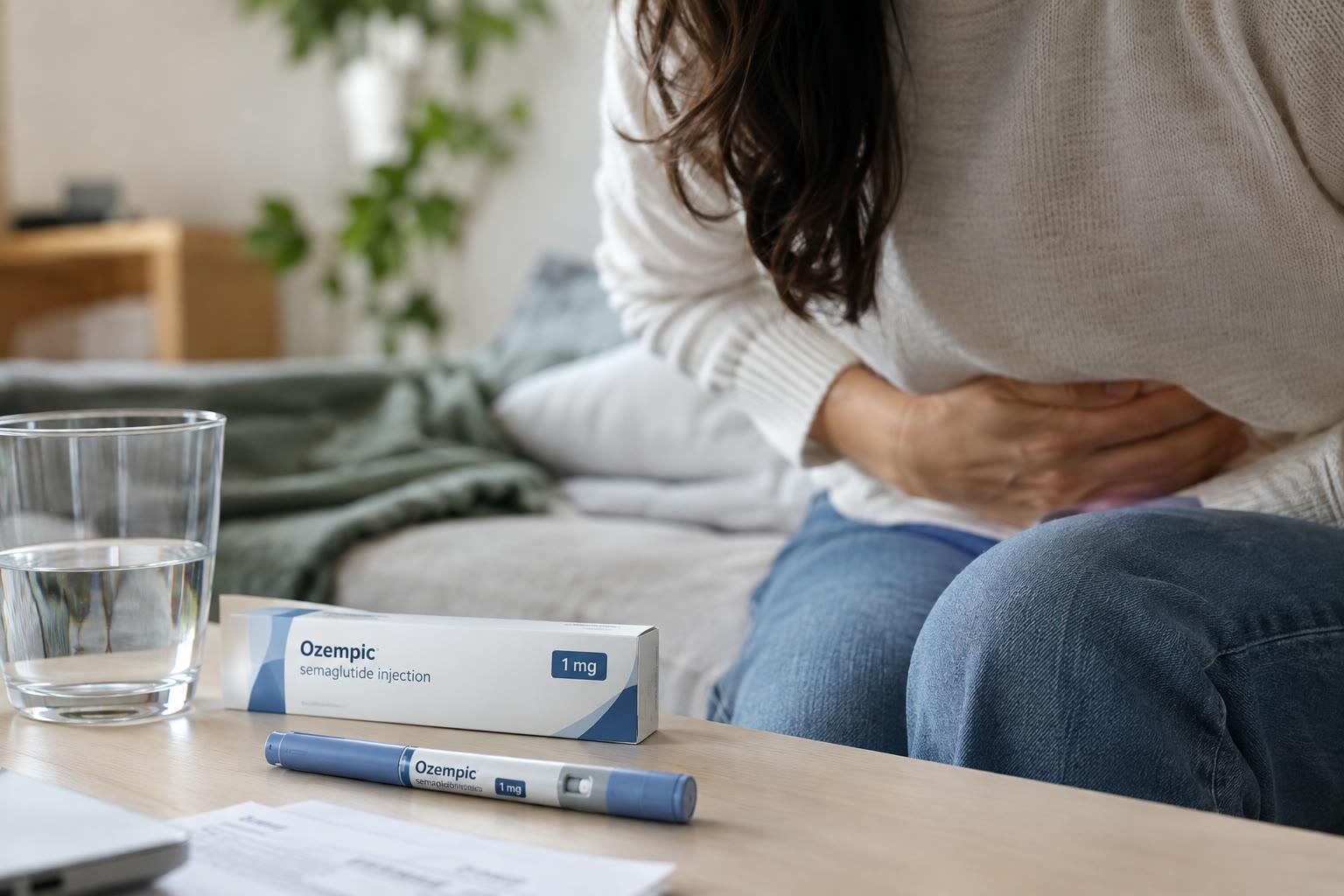
Burping is a listed side effect, and some people describe theirs as smelling of sulfur. Why slower digestion causes it, and what reduces it.
It is one of the more unpleasant and less discussed effects, and people are often surprised to find it is on the label at all. Burping appears among the listed adverse reactions for both semaglutide and tirzepatide, and the sulfurous version has a straightforward explanation.
Why do they smell of sulfur?
Food that sits longer in the stomach has more time to ferment, and some of the gases that process produces contain sulfur — the same chemistry that makes certain foods smell that way when they break down. A GLP-1 slows gastric emptying, so the window for that lengthens. It is not a sign of infection or of something rotting; it is slow digestion doing what slow digestion does.
Which foods make it worse?
The usual suspects are foods that are themselves sulfur-rich or slow to digest:
- High-fat and fried food, which slows gastric emptying further.
- Eggs, and cruciferous vegetables such as broccoli, cabbage, cauliflower and Brussels sprouts.
- Garlic and onions.
- Red meat in larger portions.
- Some protein powders, especially whey-based ones, which several people report as a trigger.
- Carbonated drinks, which add gas directly.
That is a list to test against, not a list to eliminate. Cruciferous vegetables and eggs are genuinely useful food on a reduced appetite, so the goal is portion size and preparation rather than exclusion — and triggers are individual enough that a week of noticing beats any general list.
What helps?
- Smaller portions, eaten slowly. Less volume means less fermenting at once.
- Lower-fat choices in the days after an injection.
- Not lying down straight after eating.
- Trying a different protein source if a shake is the pattern.
- Fluids across the day, which helps transit generally.
When is it more than a nuisance?
Burping with severe or persistent abdominal pain, repeated vomiting, or an inability to keep fluids down is not the same complaint. Both labels carry warnings about pancreatitis and gallbladder disease, and severe abdominal symptoms need to be assessed rather than managed at home. Tell your care team if it is persistent, or if it arrives alongside anything else.
Contact your care team about anything that concerns you, that is getting worse rather than better, or that stops you eating and drinking normally. Seek urgent care for severe or persistent abdominal pain (with or without vomiting, sometimes felt in the back), vomiting that will not stop, signs of dehydration, or yellowing of the skin or eyes. For swelling of the face or throat, trouble breathing, chest pain or any medical emergency, call 911.
This article is educational and is not a substitute for personalized medical advice. Whether any medication is appropriate for you is a decision for a licensed clinician who has reviewed your health history.