Dosing & injections
GLP-1 left out of the fridge: is it still usable?
October 2, 2026 · 5 min read · Medically reviewed by Bryan Milton, MD · Reviewed October 2, 2026
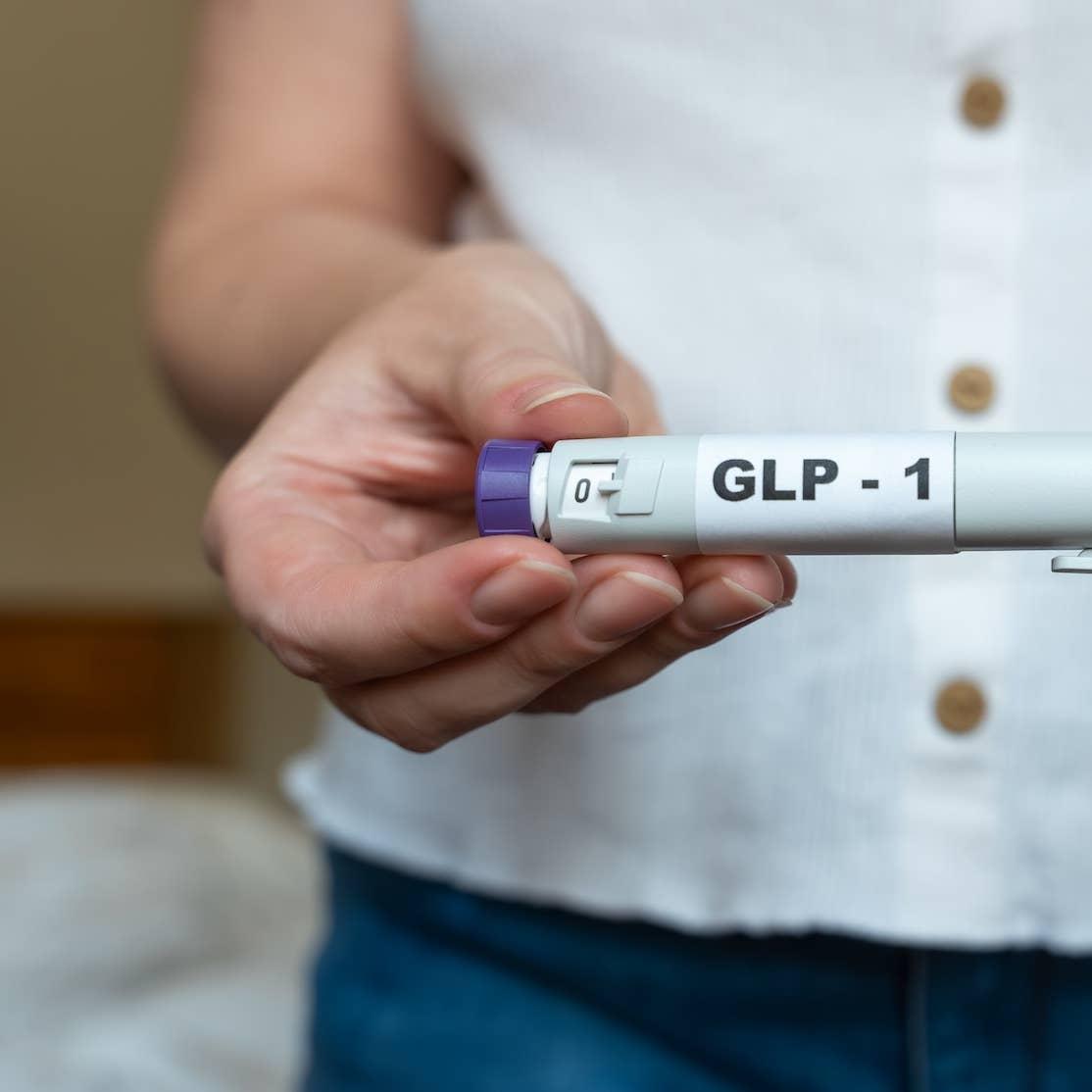
It depends on how long, how warm, and which preparation. How to work out where you stand, and why the answer is a phone call rather than a forum thread.
You open the fridge and realise the vial has been on the counter since yesterday. The question is whether it is still usable, and the honest answer has three variables: how long, how warm, and which preparation. That is why no article can tell you yes or no — but you can work out exactly what to ask.
What the labels allow
The approved injectable products permit a defined period at room temperature, within a stated temperature range, and the permitted period is not the same across products. Some allowances apply only once the product is in use; some apply to unopened product as well. The number you need is on your own label, not in a general article.
The three things that decide it
- Duration. Hours and days are different situations. If you genuinely do not know how long, treat it as the longest plausible estimate rather than the most convenient one.
- Temperature. A cool kitchen overnight is not the same as a car in summer, and 'room temperature' on a label means a specific range, not merely indoors.
- The preparation. An approved pen, a multi-dose compounded vial and a single-use preparation can each have different allowances. Compounded medications are not FDA-approved and are not reviewed by the FDA for safety, effectiveness, or quality.
What to do right now
- Put it back in the fridge, within its stated range, while you find out.
- Look at the label and the pharmacy's instruction sheet for the in-use and room-temperature allowance.
- Call the dispensing pharmacy. They know the preparation, they know what they assessed it for, and this is a two-minute conversation.
- Message your care team if a dose is due before you get an answer, so your schedule is not derailed by the uncertainty.
- Do not inject it on the assumption that it is probably fine.
When the answer is simply no
Two situations do not need a phone call. If it has frozen, discard it — freezing can damage the medication, and thawing does not undo that. If the solution is cloudy, discoloured, or has visible particles when it should be clear, discard it. Neither is salvageable, and neither becomes safer because a dose is due.
Will I have to pay for a replacement?
Possibly, and it is worth asking rather than assuming. Pharmacies and services handle this differently, and some will replace a compromised preparation. The cost of asking is nothing; the cost of injecting a degraded preparation is a dose you cannot rely on.
Your own prescription label and the instructions that came with it are the authority on your medication. A compounded preparation can differ from an approved product in concentration, storage and beyond-use date, so where this article and your label disagree, the label wins — and your care team can settle anything unclear.
This article is educational and is not a substitute for personalized medical advice. Whether any medication is appropriate for you is a decision for a licensed clinician who has reviewed your health history.