Dosing & injections
Traveling with a GLP-1: flights, TSA and time zones
October 2, 2026 · 7 min read · Medically reviewed by Bryan Milton, MD · Reviewed October 2, 2026
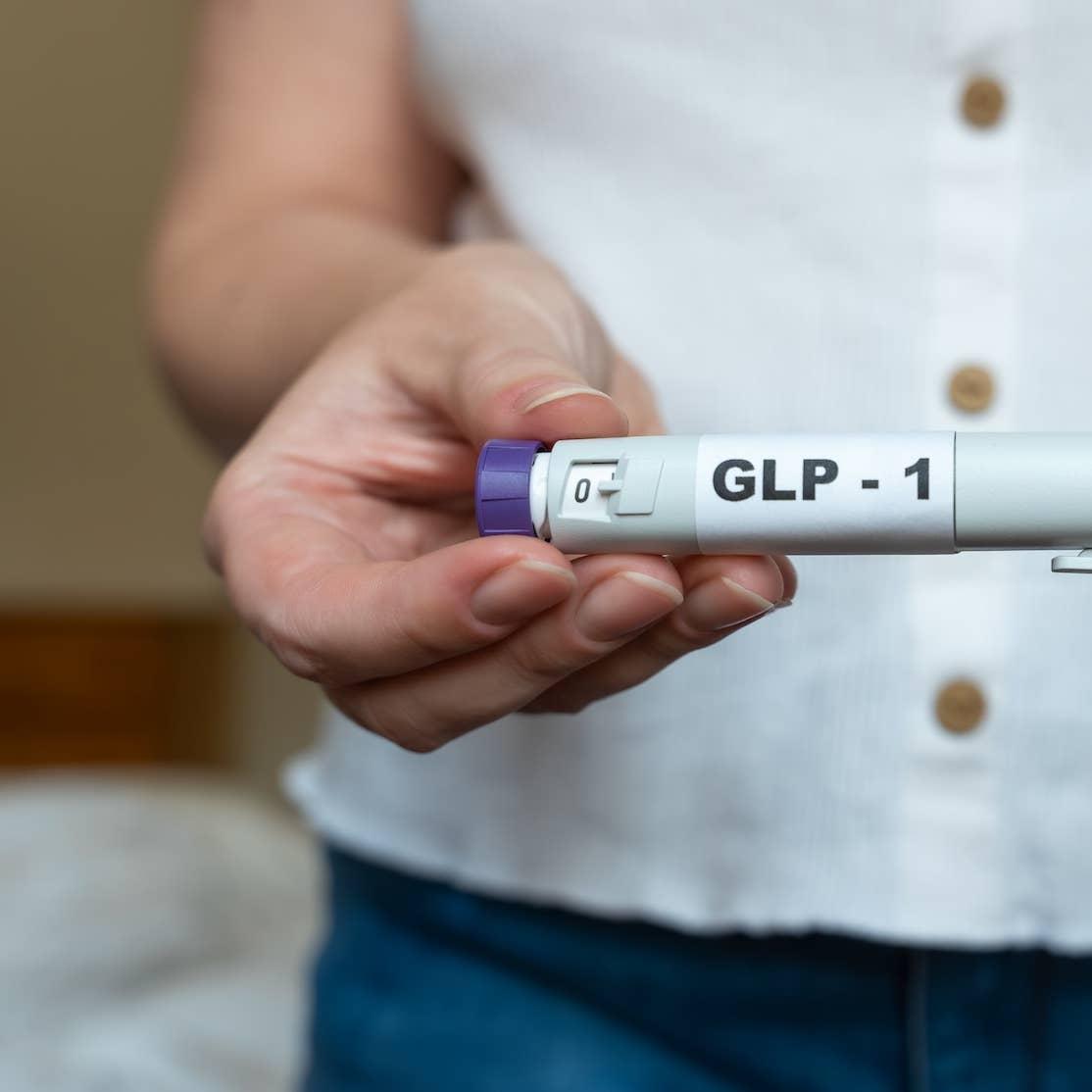
Injectable medication is allowed through airport security, and keeping it cold is the real problem. How to pack it, what to carry, and how to handle time zones.
A weekly injection is not a reason to stay home, and travel with one is routine once you have done it. Two things need planning: getting it through security, and keeping it cold.
Can I take injectable medication through airport security?
Yes. In the U.S., the TSA permits medication in both carry-on and checked baggage, allows syringes and needles when accompanied by the medication, and exempts medically necessary liquids from the usual liquid limits. Ice packs, gel packs and freezer packs for medication are permitted, including when partly melted. Declare the medication and the cooling packs at the checkpoint and they will be inspected separately.
You are not required to carry a prescription or a doctor's letter, but having the medication in its original labelled carton — and a copy of the prescription or a note from your care team — makes a questioning glance into a short conversation. Outside the U.S., rules vary, and a labelled carton plus documentation matters more.
Always carry it on
Three reasons, all of them boring and all of them real: the hold's temperature is not controlled for your medication, checked bags get delayed or lost, and you cannot inspect or use what is not with you. Put the medication, the needles and the sharps container in the bag that stays with you.
Keeping it cold
- An insulated medication case with gel packs handles a travel day comfortably. Keep the medication from touching a frozen pack directly — freezing damages it.
- For longer trips, an evaporative cooling wallet does not need a freezer and suits places where you cannot count on one.
- At your destination, use the minibar fridge if it holds a steady temperature; many do not. A hotel's main kitchen fridge is a reasonable fallback, and reception will usually arrange it.
- Know your product's room-temperature allowance before you travel. If a short trip fits inside it, the cooling problem may not exist at all.
- Never leave it in a parked car, in direct sun, or in a bag in a hot boot.
How do time zones affect a weekly injection?
Very little. A weekly medication is forgiving about a few hours in either direction; the goal is the same day each week and an interval that stays within what your label allows. Pick whether you are keeping home time or local time for the day you count, and stick to it for the trip. If a trip is long enough that the shift matters, that is the same question as changing your injection day, and the minimum interval on your label governs.
| Pack | Why |
|---|---|
| Medication in its original labelled carton | Identification at screening, and the label |
| Insulated case with gel packs | Temperature control for the travel day |
| More doses than the trip needs | Delays happen; running out away from home does not |
| Needles or syringes with the medication | Permitted when accompanied by the medication |
| A travel sharps container | Used needles do not go in hotel bins |
| A copy of your prescription | Not required in the U.S., useful abroad |
| Your care team's contact details | Questions do not wait for you to get home |
What about nausea while travelling?
Plan for it rather than hoping. If you are early in treatment or have recently had a dose increase, the day or two after an injection is when the commonly reported gastrointestinal effects tend to show up — which is worth knowing before you schedule an injection for the morning of a long flight. Keep water accessible, keep food bland and small on travel days, and tell your care team in advance if a trip falls awkwardly against a scheduled dose increase.
Your own prescription label and the instructions that came with it are the authority on your medication. A compounded preparation can differ from an approved product in concentration, storage and beyond-use date, so where this article and your label disagree, the label wins — and your care team can settle anything unclear.
This article is educational and is not a substitute for personalized medical advice. Whether any medication is appropriate for you is a decision for a licensed clinician who has reviewed your health history.